

On this page
01Phone case finder
Which phone case you should get comes down to four things: how much bulk you'll tolerate, whether you use magnetic accessories, how often the phone hits the floor, and how hot it runs. Pick an answer for each and your match updates as you go.
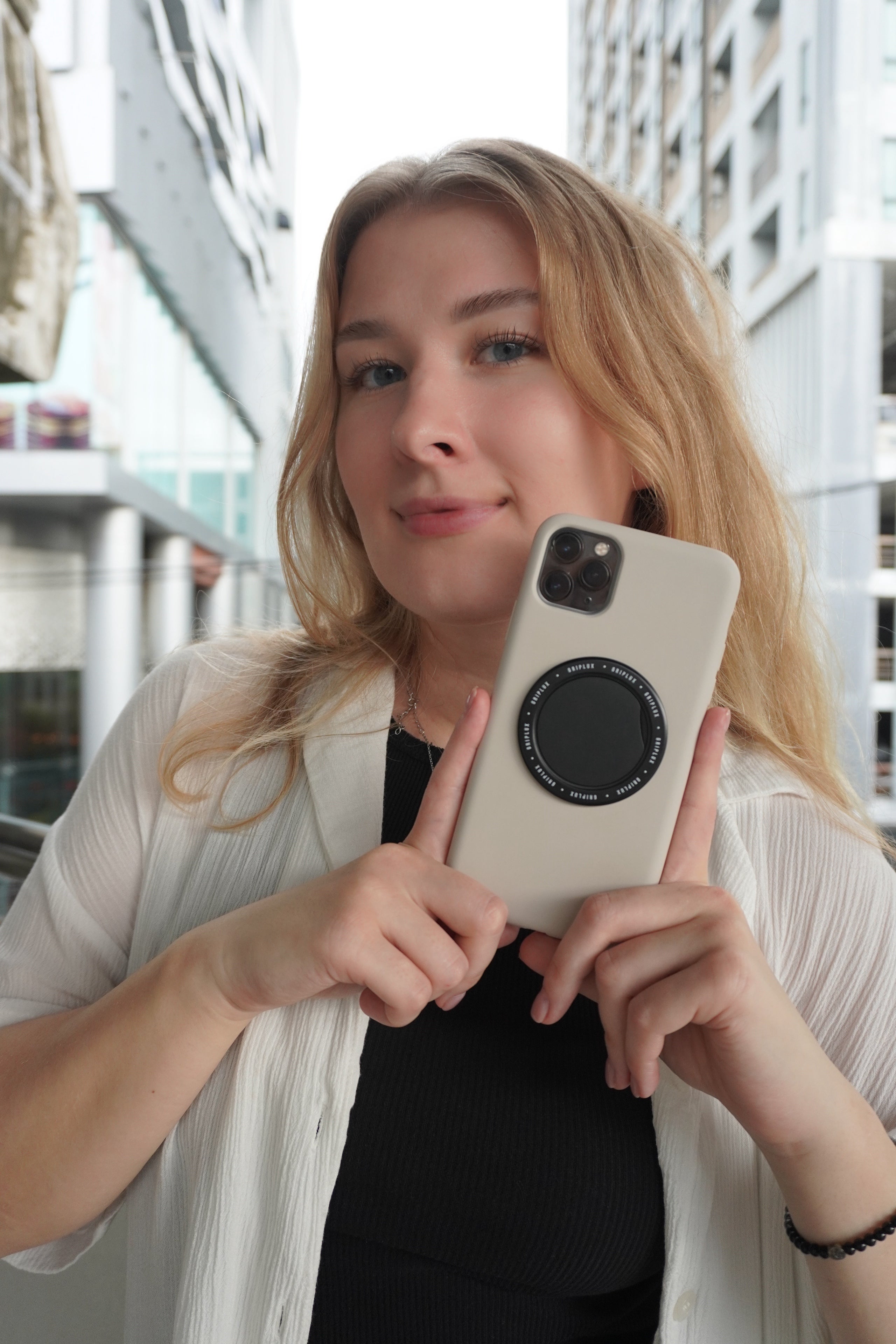
Thin magnetic case
A slim shell with a built-in magnet ring. Chargers snap on, and wallets and grips hold firmly without adding bulk. Our MagSafe Thin Magnetic line fits iPhone 14–16.
Shop thin magnetic casesUltra thin case
Barely adds size or weight and keeps the phone's shape. Want thin but tougher? Our Thin Kevlar case uses aramid fiber, the stiff, light material behind the Kevlar name.
Shop ultra thin casesRubberized magnetic case
A soft-touch rubberized finish that sticks to your hand instead of sliding off a table, plus magnets for snap-on gear. Add a grip if you still fumble it.
Shop magnetic casesHeat-venting thin case
A thin case designed to let heat escape rather than trapping it like thick silicone does. Your phone will still throttle in direct sun; this just helps it cool down faster.
Shop heat dissipation cases02How the quiz picks a case
Each answer adds points to one or two case styles. Strong preferences count double: "never use magnets" and "grippy" are clear signals, while "slim but solid" splits between thin and magnetic. The top score wins, so a split answer set usually lands on thin magnetic, the style that suits the most people.
| Result | Choose it for | Trade-off |
|---|---|---|
| Thin magnetic | Daily carry plus MagSafe-compatible chargers, grips, wallets, mounts | A touch thicker than the thinnest shells |
| Ultra thin | Keeping the phone's original feel | Lightest drop protection; no magnet ring |
| Rubberized magnetic | Grip, and phones that slide off car seats and tables | Soft-touch finishes pick up lint in pockets |
| Heat dissipation | Gaming, long video, wireless charging | Won't fix heat from sun or a hot car |
Notice what's missing: rugged armor. It's easy to overbuy protection, hate the bulk and end up carrying the phone bare, which is the worst outcome of all. If you work on ladders or concrete all day, a rugged case is still the right call. Slim vs rugged helps you decide whether that's you.
03Before you buy: three checks the quiz can't do
Camera Control cases differ more than you'd think; this guide shows the cutout versus covered-button types. Payments failing through a thick case? See case blocking Apple Pay.
Our own lines fit iPhone 14–16, but the same styles exist for newer and Android phones from other makers in the store. Shop by model, for example iPhone 17 Pro, and filter for magnetic, thin or rugged.
04Material, in one minute
Style and material overlap but aren't the same. A thin case can be hard polycarbonate, flexible TPU or aramid fiber. Here's the short version:
- Polycarbonate: stiff and thin, slides easily into pockets, can crack at the corners after big drops.
- TPU: flexible, absorbs knocks, the usual material for clear cases (and the one that yellows).
- Silicone: grippiest, softest, attracts lint.
- Aramid fiber: very thin and stiff for its weight, with a woven look. Pricier. Our blog's aramid vs carbon fiber post goes deeper.
The full comparison is in TPU vs silicone vs polycarbonate.
GripLux's own lines for iPhone 14–16, plus our Thin Kevlar for the thin-but-tougher crowd.


Questions people ask
What type of phone case is best?
For most people, a slim case with a raised lip around the screen and camera, and a magnet ring if you use MagSafe-compatible gear. It covers everyday drops without bulk. Rugged cases are worth it only if you drop phones on hard surfaces often.
Is a thin phone case enough protection?
For pocket-height drops onto most floors, a thin case with firm corners and a lip usually is, especially with a screen protector. Thin cases can't absorb as much energy as rugged ones, so frequent drops onto concrete call for more.
Do I need a MagSafe case?
Only if you use magnetic chargers, wallets, grips or mounts. A non-magnetic case weakens their hold. If you don't use any of those, a plain case is fine and wireless charging still works through a slim one.
Do heat dissipation cases really work?
They help the phone shed heat faster than a thick, insulating case, which can reduce throttling during long gaming or video sessions. They don't cool a phone sitting in direct sun. Our blog looks at that question in does it stop overheating.