


Months after buying a phone accessory, the useful detail is often missing: which exact version did you choose, where are the instructions, and which receipt belongs to it? A short purchase record can save another search when you need support, want a replacement or pass the accessory to someone else.
This does not need to become a spreadsheet project. Start with one accessory you use regularly and keep the record wherever you already store household purchase information. The aim is to preserve facts you would otherwise have to reconstruct.
Give the item an unambiguous name
Write the brand, product name and selected version as they appear on the order. Include the color or size only when it helps distinguish the item. “Black case” is not enough if several people in the household have similar cases.
Record the exact phone model the accessory was bought for, using the manufacturer's identification rather than a nickname such as “the large one.” If the accessory later moves to a different phone, add that change instead of overwriting the original purchase context.
A current product page can be a useful reference, but do not assume its options are unchanged from the day you ordered. Keep the order's selected variant with the receipt. Our phone-case gift guide covers confirming a recipient's model before buying; this record preserves what was actually purchased afterward.
Keep the receipt and instructions together
Save the receipt or order confirmation through your usual private filing method. Add the seller's name, purchase date and order reference to the record so you can find the original without searching every mailbox.
Keep a link to the manufacturer's instructions, or an authorized copy when the manufacturer offers one. If a printed care leaflet came in the package, store it with the purchase information or take a readable reference photograph for your own use.
Separate instructions for the exact model from general advice. A guide for another case material or a different charger may look relevant but describe a different product. Do not fill a missing specification with a guess just to complete the record.
Record what you actually received
When the package arrives, compare its contents with the order. Note any included cable, adapter, spare part or storage pouch that you may otherwise forget belongs to the accessory. Photograph the product label if it contains a useful model identifier.
Keep that photograph private if it includes an order label, address or serial number. There is no need to put sensitive purchase information in a shared shopping list or public photo album. Store only the details needed for your own reference, without passwords or full payment-card information.
If something differs from the order, preserve the relevant photographs and ask the seller about the specific mismatch. Do not mark a replacement as received merely because it has been promised. Update the record when the outcome is confirmed.
Separate claims from observations
A useful record can have two short sections: “seller information” and “my setup.” The first holds specifications and instructions from the source. The second records the phone, case and accessory combination you actually use.
For example, the Luxi Snap Grip page describes grip and stand functions. Your own note might identify the case you use with it and where you keep it when detached. That personal observation does not establish compatibility with every other case or a performance rating.
Avoid turning an informal impression into a measurement. “Used on my desk with this case” is an honest note. “Tested to withstand any drop” would require evidence a casual setup check does not provide.
Keep support details specific
If you contact support, record the date, question and response with the item. Save any case reference so a later conversation can continue from the same facts. Keep a planned return, an approved return and a completed refund as separate states.
Read the actual purchase terms when a deadline matters. Do not rely on a general reminder or an old screenshot to establish current eligibility. If you set a reminder, include the original source and enough time to take the required steps.
You do not need to copy every promotional email into the record. Preserve the documents that explain the purchase, instructions and outcome of any support request. A small, accurate file is easier to use than a large undifferentiated archive.
Update the record when ownership changes
When you replace, sell, donate or give away the accessory, note what happened. Pass along relevant instructions without forwarding your private receipt details unnecessarily. If the item is no longer in use, remove it from active packing or shopping lists so you do not assume it is available.
Try the system with one item before organizing everything you own. If you can find its exact model, receipt and instructions in a minute, the record is doing its job. Add another accessory when there is a practical reason, rather than creating a maintenance task for its own sake.
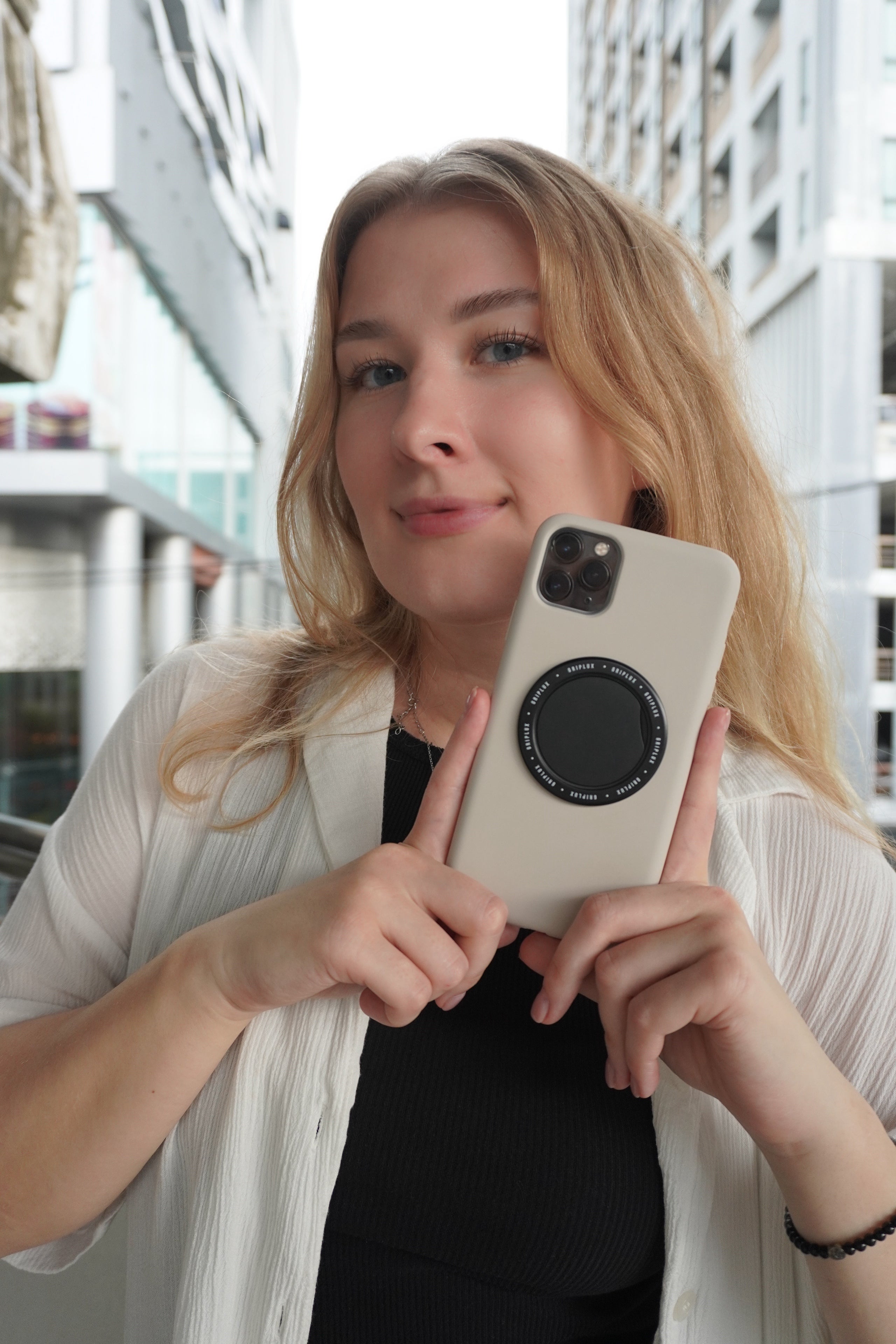
Cover: conceptual accessory-record arrangement, not a photograph of specific GripLux products.
Prepare a Simple Phone Video-Call Corner
Will Your Phone and Grip Fit the Pocket You Actually Use?